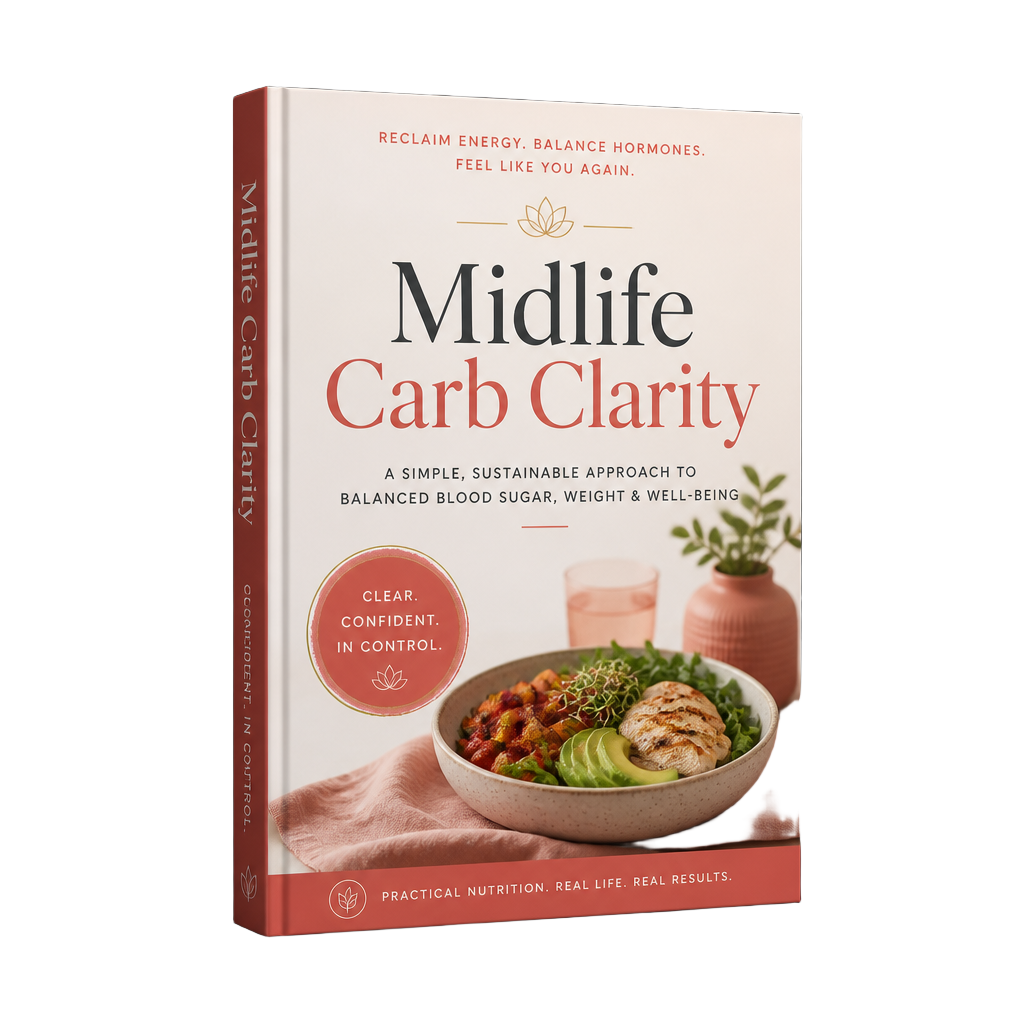
Five rules that do most of the work
- Aim for 25–30g of protein at breakfast — it is the single biggest lever on your whole day's glucose.
- Add fibre from vegetables, berries, chia, flax or pulses rather than relying on cereal for it.
- Keep starchy carbohydrate to roughly a fist-sized portion, and eat it after the protein.
- Include a little fat — eggs, olive oil, nuts, full-fat yoghurt — to slow gastric emptying.
- If you drink juice, swap it for the whole fruit and a glass of water.
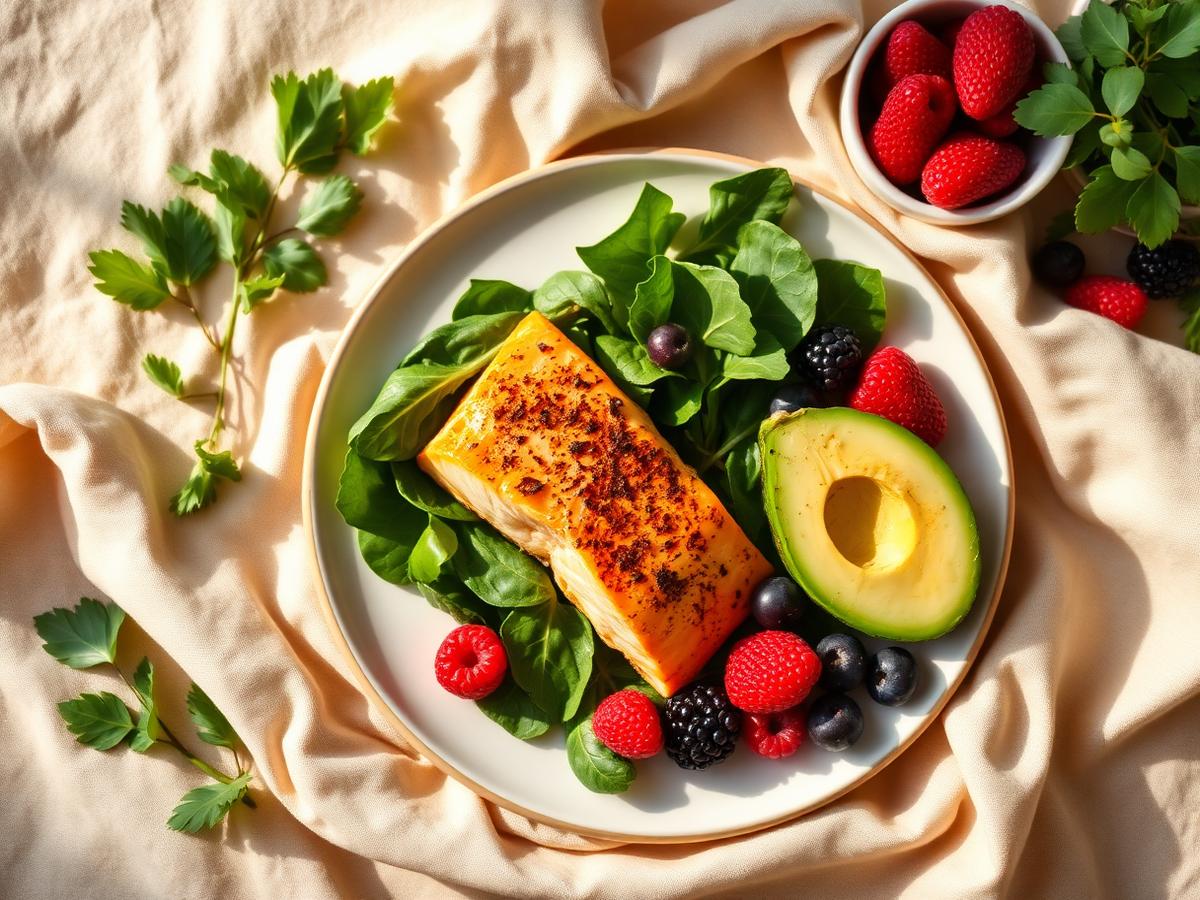
7 breakfasts that keep you steady
- 1
Two eggs, spinach and half an avocado on one slice of seeded rye
Roughly 20g protein with fibre and fat; the single slice keeps the starch modest.
- 2
Greek yoghurt with berries, chia and a spoon of chopped walnuts
High protein, low sugar load, and the chia adds soluble fibre that blunts the curve.
- 3
Smoked salmon with cottage cheese and tomato on oatcakes
Around 25g protein and a slow, oat-based carbohydrate rather than a fast one.
- 4
Savoury overnight oats — oats soaked with milk, then stirred through with grated cheese and seeds
Oats behave far better when they arrive with protein and fat rather than honey and banana.
- 5
Mushroom and pepper omelette with a side of leftover roast vegetables
Almost no starch, plenty of volume; ideal on days when your morning reading is higher.
- 6
Kipper or sardines on toast with lemon and rocket
Traditional, cheap, very high protein, and rich in omega-3 fats.
- 7
Protein shake blended with frozen berries, spinach and a tablespoon of ground flax
A sensible fallback for rushed mornings — far better than skipping and grazing at eleven.
Five swaps to make tomorrow
| Instead of | Try |
|---|---|
| Bowl of cornflakes with skimmed milk | Greek yoghurt, berries and chia |
| Croissant and orange juice | Two eggs on one slice of rye, plus whole orange |
| Low-fat fruit yoghurt | Full-fat plain yoghurt with cinnamon |
| Sweetened porridge with banana and honey | Oats with milk, nut butter and berries |
| Toast and jam | Toast with cottage cheese and tomato |
General information, not medical advice or a personalised meal plan. If you take glucose-lowering medication, check with your GP before changing meal patterns.
Keep going: how to reverse prediabetes after 50 and does menopause affect blood sugar?